


In agriculture, farmers think NPK – Nitrogen, Phosphorus, and Potassium – the major nutrients required for plant growth. But secondary nutrients like Sulphur (S) is equally important for sustainable yields and high-quality produce. Sulphur is sometimes called the “fourth major nutrient” because of its essential role in plant metabolism, yield, and resistance.
Why Plants Need Sulphur
This is a key component in:
- Protein formation – Plants use S. to produce essential amino acids like cysteine and methionine.
- Oil content – Oilseed crops require higher S. for good quality oil.
- Chlorophyll production – Improves photosynthesis efficiency.
- Enzyme activation – Many plant enzymes work only in the presence of S.
- Disease resistance – Strengthens cell walls and helps plants resist fungal and bacterial attacks.
- Flavour and aroma – Onions, garlic, and pepper get their characteristic flavour from S. compounds.
Sources of Sulphur
A. Natural Sources
- Organic matter – Compost, farmyard manure, crop residues.
- Soil minerals – Gypsum, elemental sulphur naturally occurring in some soils.
- Atmospheric deposition – Earlier, S. came from industrial emissions (acid rain), but this is reduced now.
- Green manures – Legumes and deep-rooted crops recycle S. from subsoil.
B. Chemical Sources
- Sulphate of Potash (SOP) – Contains potassium and S. (K₂SO₄).
- Single Super Phosphate (SSP) – Contains both phosphorus and S.
- Ammonium Sulphate – Nitrogen + S source.
- Magnesium Sulphate (Epsom salt) – Magnesium + S.
- Elemental Sulphur – Long-lasting S. source, slow-release.
- Gypsum (Calcium Sulphate) – Improves soil and supplies sulphur and calcium.
Sulphur Requirement for Major Horticulture Crops
(Approximate total requirement per acre per year – actual dose depends on soil test)
| Crop | S. Requirement (kg/acre/year) |
| Arecanut | 15–20 kg S |
| Coconut | 12–15 kg S |
| Paddy | 8–10 kg S |
| Banana | 15–18 kg S |
| Black Pepper | 10–12 kg S |
| Onion/Garlic | 20–25 kg S |
| Oilseeds | 20–30 kg S |
Deficiency Symptoms of Sulphur
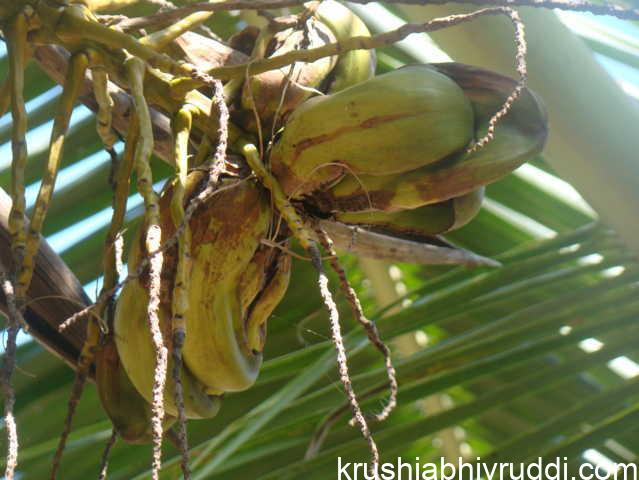
S. deficiency is becoming common due to reduced use of S.-containing fertilizers.
Symptoms:
- Uniform yellowing of younger leaves (unlike nitrogen deficiency, which starts from older leaves).
- Stunted plant growth.
- Thin, spindly stems.
- Reduced flowering and fruit set.
- Poor oil content in oilseed crops.
- In pepper and banana – pale leaves, low vigour, poor bunch development.

Sulphur Loss from Soil
This can be lost by:
- Leaching – In sandy or high rainfall areas, sulphate form washes away.
- Erosion – Topsoil loss removes organic matter rich in S.
- Crop removal – High-yield crops remove large quantities of S.
- Low organic matter – Soils with less than 1% organic carbon are often S.-deficient.
Excess S. and Its Effect
While rare, excess S. can:
- Increase soil acidity (especially with ammonium sulphate).
- Cause toxicity in very high amounts – leaf burn, reduced root growth.
- Imbalance with other nutrients like molybdenum.
Role of S. in Plant Health and Resistance
- It strengthens plant cell walls, making them less prone to pest and disease attack.
- Improves flavour and aroma – important for spices like pepper and condiments like onion and garlic.
- Essential in synthesising vitamins like biotin and thiamine.
- Reduces fungal diseases like powdery mildew when used as a fungicide.
How to Add Sulphur
A. Soil Application
- Use S-containing fertilizers during basal or split application.
- Mix gypsum or elemental S with compost for long-term supply.
- Incorporate Single Super Phosphate or Ammonium Sulphate in regular fertilizer schedule.
B. Foliar Spray
- Use Magnesium Sulphate (Epsom salt) – 1–2% solution for quick correction.
- Foliar application is effective for standing crops showing deficiency symptoms.
- Avoid spraying elemental S. in hot weather to prevent leaf burn.
Practical Farmer Tips
- Always test your soil before deciding S. doses.
- Maintain organic matter levels with FYM, compost, and green manures.
- In high rainfall areas, apply sulphur in split doses to reduce leaching.
- Combine sulphate nutrition with balanced NPK for maximum yield and quality.
Remember: Without adequate sulphur, your crop may look green but fail to produce quality yield. A small investment in S. can return big profits in high-value crops.


