


In the invisible world beneath our feet, there is a silent helper working for farmers every day – Mycorrhiza fungi. These beneficial fungi form a natural partnership with plant roots, boosting nutrient uptake, improving soil health, and even helping crops resist diseases. Understanding its role, origin, usage, and multiplication can empower farmers to get maximum benefits from this natural resource.
Origin of Mycorrhiza Fungi
The word Mycorrhiza comes from Greek – “mykes” meaning fungus and “rhiza” meaning root. It was first observed in the late 19th century by scientists studying plant root systems. In nature, Mycorrhiza fungi have been coexisting with plants for over 400 million years, making it one of the oldest and most successful plant–microbe partnerships.
Role of Mycorrhiza in Soil
Mycorrhiza fungi form a symbiotic association with plant roots. They extend thread-like structures (hyphae) deep into the soil, increasing the root’s absorbing area many times.
Key functions in soil:
- Enhances nutrient absorption – especially phosphorus, zinc, copper, and nitrogen.
- Improves soil structure – hyphae bind soil particles, increasing aeration and water retention.
- Promotes microbial diversity – creating a healthy underground ecosystem.
- Reduces fertilizer dependency – making farming more sustainable and cost-effective.
How Mycorrhiza Works as a Disease-Resistant Shield
Mycorrhiza fungi act like a protective guard for plant roots:
- Physical barrier – The fungal network surrounds roots, making it harder for pathogens to attack.
- Nutrient balance – Healthy plants are naturally more resistant to diseases.
- Induced resistance – Mycorrhiza triggers plant defense systems, producing natural compounds that fight harmful fungi and nematodes.
- Reduces soil-borne diseases – such as root rot, wilt, and damping-off in various crops.
Ideal Soil Conditions for Mycorrhiza Survival
For long-term survival, Mycorrhiza prefers:
- Moist, well-aerated soil – Avoid waterlogging.
- Moderate organic matter – They thrive better with organic residues.
- Neutral to slightly acidic pH (6.0–7.5).
- Low to moderate phosphorus levels – Excessive chemical phosphorus fertilizers can suppress Mycorrhiza growth.
Mycorrhizal fungi naturally occur in the root zone of many plants, especially in healthy, undisturbed soils. They are commonly found around forest trees like teak, acacia, and eucalyptus; fruit trees such as mango, guava, and citrus; and crops like maize, legumes, and grasses. These fungi form a symbiotic relationship with roots, enhancing nutrient uptake and improving plant resistance to stress and diseases.
Best Conditions for Multiplication in Soil
To encourage multiplication:
- Maintain organic matter by adding compost, crop residues, or green manure.
- Avoid deep tillage that disturbs fungal networks.
- Use crop rotations with Mycorrhiza-friendly plants (legumes, cereals, horticulture crops).
- Limit chemical fungicides that can harm beneficial fungi.
Using Method for Farmers
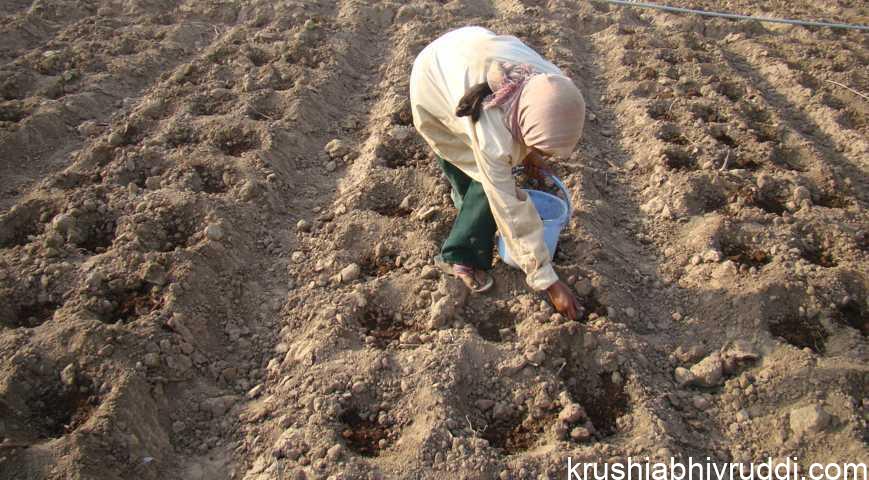
Mycorrhiza fungi are available in powder or granular formulations.
Application methods:
- Seed Treatment – Mix Mycorrhiza powder with seeds before sowing.
- Root Dip – Dip seedlings in Mycorrhiza slurry before transplanting.
- Soil Application – Mix with compost or farmyard manure and apply near plant roots.
Dosage: Usually 3–5 kg per acre (depends on formulation).
Can Individual Farmers Prepare Mycorrhiza?
Yes, but it requires technical knowledge and controlled conditions. Farmers can:
- Collect root samples of healthy plants known to have Mycorrhiza.
- Grow “trap plants” (like maize, sorghum) in pots with these roots.
- After 3–4 months, the pot soil and roots will contain Mycorrhiza spores, which can be used as inoculum.
However, large-scale quality production is best done by specialized labs to ensure purity and high spore count.
Benefits to Farmers
- Increases crop yield by 10–25%.
- Reduces fertilizer use by up to 30–40%.
- Improves drought resistance.
- Reduces soil-borne diseases naturally.
- Enhances long-term soil fertility.
Conclusion
Mycorrhiza fungi are not just soil microorganisms—they are nature’s own agricultural partners. By understanding their role, maintaining ideal soil conditions, and using them effectively, farmers can save money, increase yields, and protect crops from diseases without over-relying on chemicals.
For every farmer, nurturing Mycorrhiza means nurturing the soil’s future.
