


Soil fertility is the backbone of sustainable farming, but in many regions, soil acidity reduces productivity and nutrient availability. Farmers often face poor crop growth due to acidic soils, where essential nutrients are locked and unavailable for plant uptake. One proven and eco-friendly solution is agriculture lime application. By neutralizing soil acidity, lime restores fertility, improves nutrient absorption, and ensures healthy plant growth.
What is Agriculture Lime?
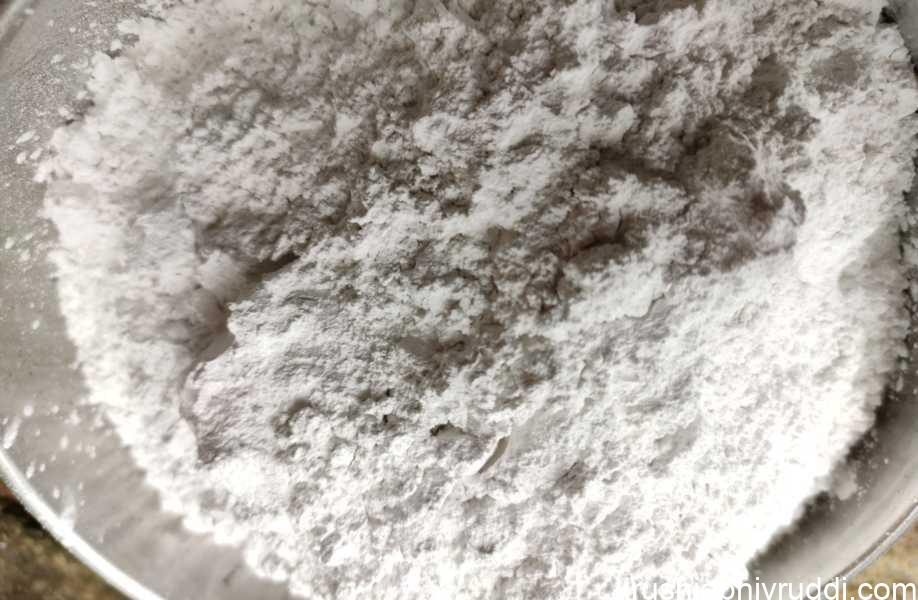
Agriculture lime, commonly called aglime, is a soil amendment made from naturally occurring limestone (calcium carbonate) or dolomite (calcium magnesium carbonate). It is finely ground into powder or pellets and applied to acidic soils to increase pH. Unlike fertilizers, lime does not directly add nutrients like nitrogen or phosphorus; instead, it enhances soil conditions to make existing nutrients more available for plant uptake.
How Lime Neutralizes Soil Acidity
Soil acidity is caused by hydrogen (H⁺) and aluminum (Al³⁺) ions in the soil solution. When lime is added, calcium (Ca²⁺) and magnesium (Mg²⁺) ions from lime replace the acidic ions, reducing their concentration. This chemical reaction raises soil pH and neutralizes acidity. As a result, toxic effects of aluminum are reduced, and root-friendly conditions are restored.
How Much Lime is Required per Square Foot?
The lime requirement depends on the soil’s initial pH, texture, and organic matter content.
- General guideline: About 5–7 pounds of lime per 100 square feet is needed to raise soil pH by one unit (for example, from pH 5.5 to 6.5).
- Sandy soils need less lime, while clay-rich soils require more.
Soil testing is essential before application to determine the exact lime requirement.
How Long Does Lime Work in Soil?
Lime is not a quick fix; it reacts slowly but provides long-lasting results.
- The full effect of lime may take 6 months to 1 year after application.
- Its benefits can last for 2 to 4 years, depending on soil type and rainfall.
- Regular soil testing every 2–3 years helps farmers decide on repeat applications.
Impact of Lime on Plant Growth and Nutrient Absorption
When lime is applied:
- Soil pH increases, creating favorable conditions for crops.
- Nutrient availability improves – phosphorus, potassium, calcium, and magnesium become more soluble and easily absorbed.
- Microbial activity rises, enhancing organic matter decomposition and nitrogen fixation.
- Plant roots grow deeper, accessing more water and nutrients.
- Farmers can expect improved crop yields, disease resistance, and overall soil structure.
Sources of Agriculture Lime

Different types of lime are available, each with unique properties:
- Dolomite Lime – Contains both calcium carbonate (CaCO₃) and magnesium carbonate (MgCO₃).
- Calcium content: 20–22%
- Magnesium content: 10–12%
- Seashell Lime – Derived from crushed seashells, mainly composed of calcium carbonate.
- Calcium content: 35–38%
- Very effective for neutralizing soil acidity but provides less magnesium.
- Other Sources – Quicklime (CaO) and hydrated lime (Ca(OH)₂) act faster but are caustic and less commonly used in agriculture compared to dolomite and seashell lime.
Ideal Time for Applying Lime
The best time to apply lime is before the cropping season, during land preparation.
- In rain-fed areas, lime is ideally applied just before monsoon, so rainwater helps in dissolving and mixing lime into the soil.
- In irrigated regions, application can be done 2–3 months before planting to allow proper reaction.
- Early application ensures optimum pH correction before crops start nutrient uptake.
Role of Calcium Nitrate in Soil Acidity Control
Calcium nitrate (Ca(NO₃)₂) is different from agricultural lime:
- It is a fertilizer that supplies both calcium and nitrogen (in nitrate form).
- It does not neutralize soil acidity like lime but supports plant growth in already corrected soils.
- Hence, calcium nitrate is a plant nutrient source, not a soil amendment.
If calcium is more in soil what happens:
- Soil Becomes Alkaline – Excess calcium (especially from over-liming) raises soil pH above the ideal range (7–7.5). Highly alkaline soils lock important nutrients like phosphorus, iron, manganese, zinc, and boron.
- Micronutrient Deficiency – Even though calcium is not toxic, its excess interferes with the uptake of micronutrients, especially iron (Fe), zinc (Zn), manganese (Mn), and boron (B). This leads to deficiency symptoms like chlorosis (yellowing of leaves), poor flowering, and fruit drop.
- Magnesium and Potassium Antagonism – High calcium competes with magnesium (Mg²⁺) and potassium (K⁺) for root uptake. This causes deficiency of Mg and K in plants, leading to weak stems, poor fruit quality, and leaf discoloration.
- Soil Hardening – Too much calcium carbonate in soil (calcareous soil) may cause poor soil structure, reducing water infiltration and root penetration.
- Crop Yield Impact – Imbalance in nutrient availability results in stunted growth, lower yields, and poor crop quality.
👉 In short: Excess calcium = high pH + nutrient lock + deficiencies in Mg, K, Fe, Zn, Mn, B.
The correct procedure is broadcasting lime evenly over the whole field, then mixing it into the topsoil. Applying only at the plant base causes uneven pH correction and poor nutrient availability
Conclusion
Lime application is one of the most effective and sustainable methods to overcome soil acidity and boost agricultural productivity. Whether using dolomite lime with magnesium or seashell lime rich in calcium, farmers can create ideal soil conditions for nutrient absorption and root development. Applying lime at the right time, in the right quantity, ensures long-lasting benefits, healthier crops, and improved soil health. While calcium nitrate plays a role as a nutrient fertilizer, it cannot replace the long-term soil amendment benefits of lime.
By understanding the science behind lime application, farmers can make informed decisions to unlock the full potential of their soil and achieve higher yields.


