


Calcium plays a double role in agriculture. It acts both as a soil conditioner and as a plant nutrient. Many farmers apply lime or dolomite to supply this source, but not all sources work the same way. Some mainly correct soil pH, while others are meant to feed plants directly. Understanding the difference helps farmers save money and increase yield.
Calcium in Soil and Its Dual Purpose
Calcium exists in most soils, but its availability depends on soil pH and the form of calcium compound applied.
When soil becomes acidic (pH below 6), calcium availability decreases and roots suffer. In such cases, liming materials like calcium carbonate (CaCO₃) or dolomite [CaMg(CO₃)₂] are used for acid correction.
However, when crops need quick calcium—for example, to prevent blossom end rot in tomato or fruit cracking in arecanut, banana, or citrus—lime or dolomite act too slowly. Then, soluble sources like gypsum or calcium nitrate should be used.

pH Correction — The Main Role of Lime and Dolomite
The main job of calcium carbonate and dolomite is to neutralize soil acidity. They react slowly with acidic elements in soil, releasing carbonate ions that neutralize hydrogen (H⁺) and aluminum (Al³⁺) ions, thus raising pH to a balanced level (6.5–7.0).
When pH becomes balanced:
- Nutrients like phosphorus, potassium, and micronutrients become more available.
- Toxic elements (aluminum, manganese) become less harmful.
- Soil microbes become more active, improving organic matter breakdown and nutrient release.
👉 In short: Lime and dolomite improve the soil environment for nutrient uptake — but they are not quick fertilizers.
Calcium as a Plant Nutrient
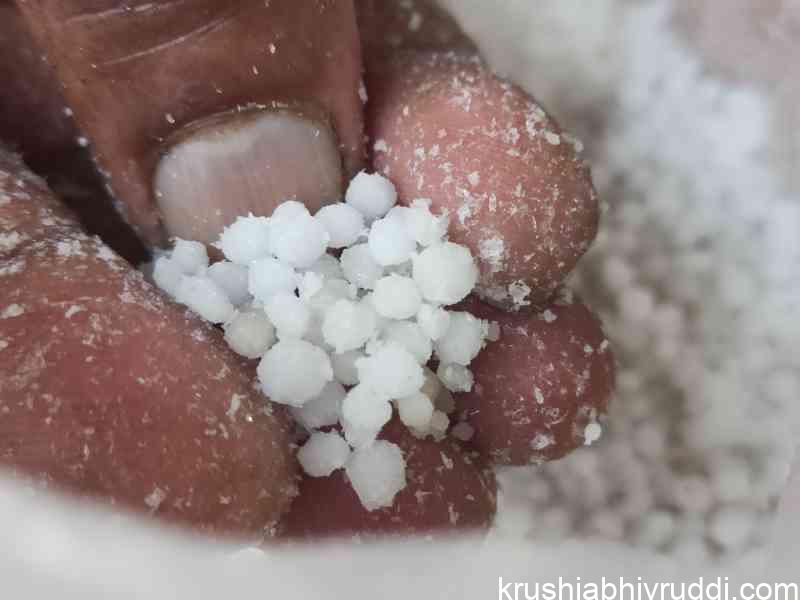
Calcium is a secondary nutrient (along with magnesium and sulfur). Though required in smaller quantity than NPK, its role is crucial.
Functions of calcium:
- Strengthens cell walls and improves fruit firmness.
- Enhances root development and branching.
- Prevents tip burn, fruit cracking, blossom end rot.
- Increases resistance to diseases by strengthening tissues.
In crops like arecanut, banana, tomato, pepper, and citrus, adequate calcium improves fruit quality, shelf life, and yield.
Which Source to Use for Nutrient Supply?
| Source | Main Elements | Use | Action |
| Gypsum (CaSO₄·2H₂O) | Calcium + Sulfur | Nutrient supply | Moderate action, does not change pH |
| Calcium nitrate (Ca(NO₃)₂) | Calcium + Nitrogen | Foliar / Fertigation | Fast-acting, highly soluble |
| Calcium chloride | Calcium | Foliar use | Very quick correction |
👉 For feeding crops, choose gypsum or calcium nitrate, not lime or dolomite.
Effect of Sunlight Exposure on Soil pH
When soil is exposed to intense sunlight, moisture and organic acids evaporate or oxidize, causing a slight temporary rise in pH.
But over time, the use of acid-forming fertilizers (urea, ammonium sulfate, DAP) again makes soil acidic.
Hence, test soil pH every 2–3 years, and apply lime only when pH < 6.0.
Practical Tips for Farmers
- Test soil pH before applying calcium.
- Use lime or dolomite only when soil is acidic (pH < 6).
- For calcium deficiency, use gypsum or calcium nitrate.
- Don’t mix lime with urea or superphosphate—apply separately.
- Keep soil covered with mulch or crop residue to prevent heat-related pH swings.
- Add organic matter (FYM, compost, green manure) to stabilize pH.
- Occasionally use neutral fertilizers (calcium nitrate, potassium nitrate) to balance acidity.
Does Split Application of Fertilizers Change Soil pH?
Soil pH changes due to chemical reactions when fertilizers dissolve and interact with soil:
- Nitrogen fertilizers (urea, ammonium sulfate, DAP) release H⁺ ions, acidifying the soil.
- Lime/dolomite release CO₃²⁻ ions, neutralizing acidity.
So, the fertilizer type, not just the dose, determines pH change.
When fertilizers are applied in split doses:
- Acidic or basic reactions occur gradually, not suddenly.
- Soil’s buffering capacity can neutralize small acid releases.
Thus, split doses cause less pH change and are safer for roots and microbes.
👉 Example:
- 100 kg urea at once → strong acid effect near roots.
- 25 kg four times → mild, manageable pH change.
Long-Term Effect on Soil pH
Even with split doses, continuous use of acid-forming fertilizers for years gradually reduces soil pH, especially in sandy soils.
So, while split application reduces short-term damage, the long-term acidity still depends on total fertilizer use.
Good Practices for Maintaining Healthy Soil pH
- Apply fertilizers in split doses for stability.
- Include organic matter to buffer pH and support microbes.
- Test soil pH every 2–3 years.
- If pH < 6, apply lime or dolomite.
- Use neutral fertilizers occasionally.
| Situation | Effect on pH |
| Full heavy dose | Rapid, stronger acidification |
| Split small doses | Gradual, milder change |
| Long-term acid fertilizer use | Gradual soil acidification |
| Balanced use + organic matter | Stable, healthy pH |
Conclusion
Calcium carbonate and dolomite are excellent soil conditioners, mainly for pH correction.
Gypsum and calcium nitrate are best for direct plant nutrition.
Know your soil pH and crop need before applying calcium.
Choose the right form for the right purpose — it’s the key to healthy soil and profitable farming

