


Our body gets Vitamin D mainly from sunlight. When sunlight falls on our skin, the body produces this vitamin, which is essential for strong bones, flexible joints, and healthy nerves.
Without enough Vitamin D, the body cannot absorb calcium properly, leading to weak bones, muscle cramps, and disc or knee pain.
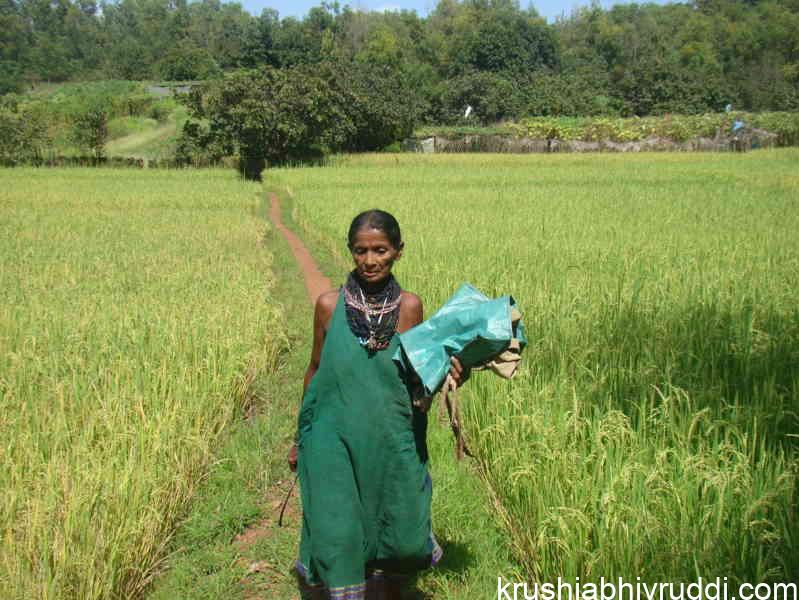
Earlier, farmers automatically got plenty of sunlight while working. Now, due to machinery, covered clothing, and reduced outdoor time, sunlight exposure has decreased sharply.
The best time to get sunlight is between 6:30 and 9:00 in the morning. Spending 20–30 minutes daily in mild sunlight helps the body make enough Vitamin D naturally. Avoid strong sunlight after 9:30 AM, especially in summer.
Simple habit: work in short sleeves for some time in the morning or do light exercise in open air—your body will thank you.
Sunlight, Food, and walk – The free Medicine to Bone and Nerve
Farmers once symbolized strength, stamina, and long life. They worked from dawn to dusk in the open fields, ate home-grown food, and lived healthy up to 80 or 90 years. But today, even young farmers complain of back pain, knee problems, and nerve weakness. Why is this happening? The main reasons are less sunlight exposure, poor food habits, reduced movement, and stress. Let’s understand how farmers can naturally protect their bones and nerves.
Traditional Food – The Real Medicine
In olden days, farmers ate what they grew—ragi, jowar, pulses, green leafy vegetables, milk, and curd. These foods are rich in calcium, iron, and minerals.
Today, many farmers have shifted to polished rice, bakery food, and tea with sugar. Such food fills the stomach but not the body’s needs.
To build strong bones and nerves, include:
- Ragi (finger millet) – rich in calcium and iron.
- Sesame seeds (ellu) – strengthens joints.
- Green leafy vegetables – rich in minerals.
- Curd and milk – maintain calcium levels.
- Fruits like banana, papaya, guava – provide potassium and vitamins.
Also drink buttermilk, tender coconut water, or clean well water instead of cool drinks or excess tea. Keep one or two cows to get your own fresh milk. Feed them herbal grasses from your farm. It will give you medicinally rich milk.
Physical Movement and Posture
Modern farming depends heavily on machines. Long hours on tractors or sitting in one posture compresses the spine, causing disc and back pain.
Farmers should avoid sitting continuously for more than an hour. Take short breaks, stretch, or walk. Before starting heavy work like lifting or spraying, do simple warm-up or stretching to prepare your muscles.
A few minutes of yoga or pranayama early in the morning improves flexibility, blood circulation, and mental calmness.
Swatting and Mineral Balance
While working under the sun, farmers lose a lot of minerals through sweat. If not replaced, this causes muscle cramps and nerve weakness.
Drink plenty of clean water, and add natural rehydrating drinks like buttermilk with a pinch of salt or lemon water. Eat fruits daily to balance potassium and magnesium levels.
Reduce Mental Stress
Farming involves many pressures—market prices, weather, labour shortage. Continuous worry leads to tension, sleeplessness, and body stiffness.
Spend time with family, take short breaks, and avoid overt hinking. A peaceful mind keeps the body healthy. Remember, health is as important as harvest.
Check Your Health Like You Test Your Soil
Just like farmers test their soil before applying fertilizer, they should test their health once a year.
Check for:
- Vitamin D and calcium levels
- Blood pressure and sugar
- Joint or back stiffness
Early diagnosis prevents long-term damage. Primary health centers and government camps provide free tests—farmers should use them.
Natural Ways for Bone and Nerve Health
- Get 20–30 minutes of morning sunlight daily.
- Eat farm-fresh, calcium-rich food.
- Do simple stretching and yoga regularly.
- Drink enough water and natural fluids.
- Avoid excess alcohol, tobacco, and stress.
Conclusion: Healthy Farmer, Healthy Nation
The farmer’s body is his greatest tool—stronger than any tractor or plough. Without good health, farming becomes a burden. Most joint, disc, and nerve problems can be prevented by simple, natural habits followed by our ancestors.
Sunlight, clean food, proper rest, and peaceful living—these are the real medicines nature has gifted us. When farmers take care of their health, they not only live longer but also inspire the entire rural community to stay strong and active.
A healthy farmer means a strong field, a strong family, and a strong nation.


