


A strong building needs a strong foundation—and so does a healthy crop. In agriculture, the basel dose of manure acts as this essential foundation, preparing the soil to support vigorous plant growth right from the beginning. Whether you are cultivating cereals, vegetables, pulses, or fruit crops, applying a correct basal dose can dramatically influence overall yield, root development, and long-term soil fertility.
What Is the Basel Dose of Manure?
The basal dose refers to the essential quantity of organic manure or chemical fertilizers applied to the soil before sowing or planting. It ensures that the soil is enriched with readily available nutrients at the early growth stages, when the plant needs them most. Generally, well-decomposed Farm Yard Manure (FYM), compost, vermicompost, or recommended chemical fertilizers are used in this dose.
Why Is Basel Dose Necessary?
1. Ensures Proper Seedling Establishment
The early growth phase is the most sensitive period for a plant. Adequate nutrients help seeds germinate quickly and seedlings establish strong roots. Without this foundation, plants become weak, stunted, and more vulnerable to diseases and stress.
2. Improves Soil Structure and Water-Holding Capacity
Organic manure added as a basal dose enhances soil texture, making compact soil more porous and loose soil better at retaining moisture. This improved structure helps roots penetrate easily, access nutrients efficiently, and tolerate dry spells.
3. Supplies Nutrients When Plants Need Them Most
Young plants have limited root systems. A basal dose ensures that essential nutrients are present within their immediate reach. It also prevents early-stage nutrient deficiencies, promoting healthy shoot and root development.
4. Increases Microbial Activity in the Soil
Organic manures encourage the growth of beneficial microbes that decompose organic matter, fix nitrogen, and make soil nutrients more available. A microbially active soil is healthier, more fertile, and more resilient.
Which Nutrient Is Most Essential in the Basel Dose?
While many nutrients are included, Nitrogen (N), Phosphorus (P), and Potassium (K) form the core of the basal dose—usually in the ratio recommended for specific crops.
However, Phosphorus is the most crucial nutrient in the basal dose.
Why?
- Phosphorus has low mobility in the soil, meaning it doesn’t move much from where it is applied.
- It is essential for root development, energy transfer, and early plant vigor.
- Young seedlings need adequate phosphorus to form strong roots that support the entire plant lifecycle.
Potassium and nitrogen are also important, but phosphorus consistently remains the key nutrient for basal application.
Where Should the Basel Dose Be Applied—Near Seeds or Far?
Correct placement of the basal dose is critical:
✔ Organic manure (FYM/compost):
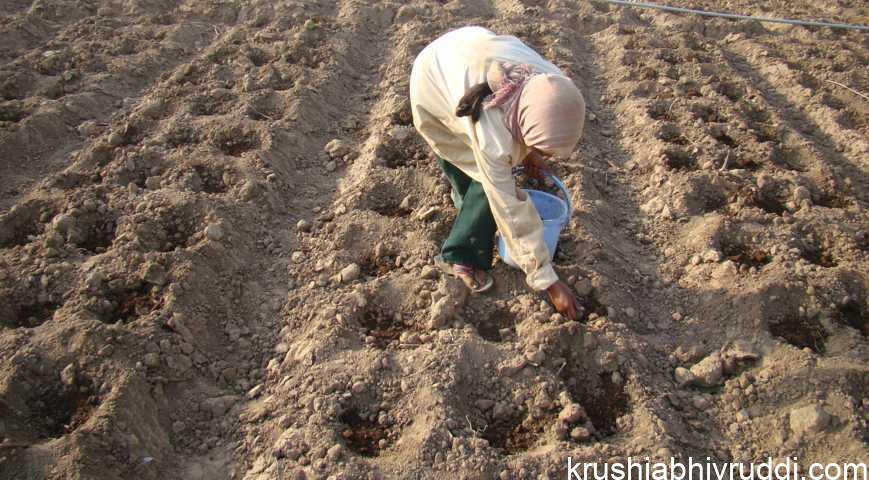
Should be mixed thoroughly into the entire field or planting bed 1–2 weeks before sowing. This allows decomposition and even distribution.
✔ Chemical fertilizers:
These should be placed slightly away from the seeds, not directly in contact.
- For most crops: place fertilizers 3–5 cm below and 3–5 cm away from the seed.
- For vegetables or fruit saplings: apply in the planting pit and mix well with soil.
Direct contact between seeds and strong chemical fertilizers can cause burning and reduce germination.
What Happens If the Basel Dose Is Not Applied?
Skipping the basal dose can cause several negative outcomes:
Poor Germination and Weak Seedlings
Without early nutrient support, seeds may fail to germinate uniformly, and seedlings become pale, thin, and fragile.
Stunted Root Development
Especially due to lack of phosphorus, roots struggle to grow deeply and widely, reducing the plant’s ability to absorb water and nutrients later.
Lower Yield and Poor Quality Produce
Plants lacking early nutrition rarely catch up, even if later fertilizers are applied. Yield decreases, and the quality of grains, fruits, or vegetables often suffers.
Higher Susceptibility to Pests and Stress
Nutrient-deficient plants are more prone to pest attacks, diseases, drought, and lodging.
Conclusion
The basal dose of manure is not just an agricultural practice—it is a critical investment in the health and productivity of crops. By ensuring proper nutrient supply, supporting early growth, and strengthening the soil ecosystem, it lays the groundwork for a successful harvest. Farmers who prioritize this dose consistently observe better plant vigor, higher yields, and healthier soils. So, to grow strong crops, start from the base—because the foundation determines the future


