


Healthy soil is the foundation of successful farming. But not all soil conditions are equal — the presence or absence of oxygen plays a crucial role in plant growth. Soils are classified as aerobic or anaerobic, depending on how much air, particularly oxygen, is available. Understanding these conditions helps farmers improve soil management, enhance crop yield, and prevent plant diseases.
What is Aerobic Soil Condition?
Aerobic soil is soil that has a good supply of air, particularly oxygen. In this condition, oxygen penetrates easily through the spaces between soil particles. This type of soil allows plant roots to breathe and function properly. Beneficial microorganisms like nitrogen-fixing bacteria and decomposers thrive in aerobic conditions, breaking down organic matter and converting nutrients into forms plants can easily absorb.
Benefits for Plants in Aerobic Conditions:
- Enhanced Root Development: Roots require oxygen for respiration. In aerobic soils, roots grow deeper and spread more, which helps plants absorb water and nutrients efficiently.
- Improved Nutrient Availability: Microorganisms active in aerobic soils help release nutrients such as nitrogen, phosphorus, and potassium, which are essential for healthy plant growth.
- Disease Resistance: Aerobic conditions discourage harmful pathogens like certain fungi and bacteria that thrive in waterlogged, oxygen-poor soils.
- Better Plant Growth: With sufficient oxygen, plants undergo proper metabolic processes, supporting photosynthesis, nutrient uptake, and overall vigor.
In aerobic soil, beneficial microbes like nitrogen-fixing bacteria and decomposers thrive, breaking down organic matter efficiently. In anaerobic soil, oxygen-sensitive microbes dominate, causing slow decomposition and producing harmful substances like methane and hydrogen sulfide.
What is Anaerobic Soil Condition?
Anaerobic soil occurs when oxygen is limited or absent, usually due to waterlogging or compaction. In such conditions, soil pores are filled with water, cutting off oxygen supply to roots and beneficial microbes.
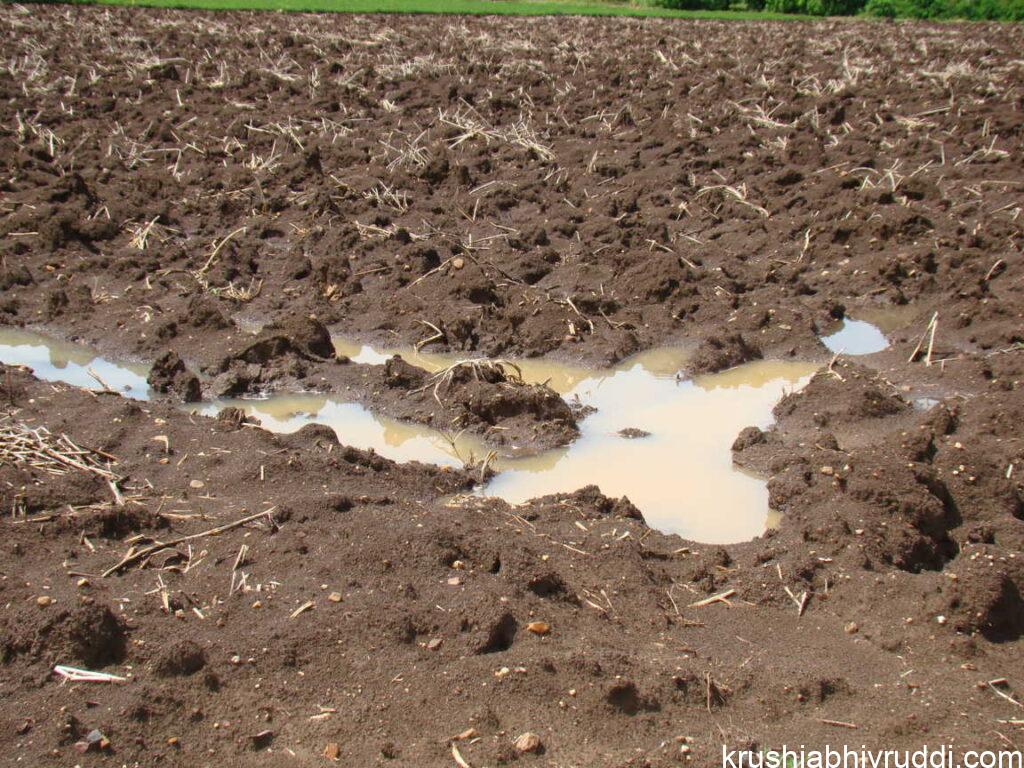
How Anaerobic Conditions Take Place:
- Heavy Rainfall: Excessive water saturates the soil, preventing air from circulating.
- Poor Drainage: Dense soils or improper field design can lead to stagnant water around plant roots.
- Compacted Soil: Overuse of machinery or livestock trampling compacts soil particles, reducing pore space and restricting airflow.
How to Convert Anaerobic Soil to Aerobic Soil
Farmers can take several steps to improve soil aeration and restore healthy conditions:
- Improve Drainage: Create furrows, raised beds, or drainage channels to prevent water stagnation.
- Use Organic Matter: Adding compost or mulch helps improve soil structure and increases pore space for air circulation.
- Avoid Overwatering: Ensure irrigation is controlled and based on crop requirements.
- Soil Tillage: Light tillage or mechanical aeration can break up compacted layers and enhance airflow.
- Plant Cover Crops: Deep-rooted cover crops like legumes and grasses naturally loosen soil and promote microbial activity.
Aerobic conditions are more common in well-drained, loose, sandy, or loamy soils where air easily circulates. Anaerobic conditions occur in heavy clay soils, waterlogged fields, or compacted soils where oxygen is limited.
Harm of Anaerobic Conditions on Plants
Anaerobic soils create stress for plants and can lead to several problems:
- Root Rot and Diseases: Lack of oxygen promotes harmful bacteria and fungi like Pythium and Fusarium, which attack roots.
- Poor Nutrient Uptake: In anaerobic conditions, nutrient absorption is hindered, leading to deficiencies and poor plant health.
- Stunted Growth: Oxygen-starved roots cannot respire effectively, slowing down plant metabolism and reducing crop yield.
- Accumulation of Toxic Substances: Without oxygen, organic matter decomposes improperly, releasing harmful compounds such as hydrogen sulfide and methane, which damage roots.
Aerobic soils benefit from controlled irrigation methods like drip or sprinkler systems that maintain moisture without waterlogging. Anaerobic soils require careful drainage, using raised beds or subsurface drains to remove excess water and restore oxygen flow.
Conclusion
Maintaining aerobic soil conditions is critical for robust plant health, improved nutrient absorption, and disease resistance. Farmers must be vigilant in managing water, soil structure, and organic matter to avoid anaerobic conditions that hinder growth and invite pathogens. By understanding how oxygen availability influences soil biology and plant health, growers can make informed decisions that lead to sustainable and productive farming.
Aerobic soils aren’t just better for plants—they are the lifeline for healthy crops and successful harvests.

