


In almost all plantations, farmers know one clear rule: when cloudy weather appears, don’t wait—spray immediately. This practice is not a superstition; it is a smart preventive strategy. Especially during flowering and early fruit set, cloudy weather becomes common, and that is exactly the stage when fruit plants are most sensitive. If we miss protection during this period, the result can be serious: flower drop, poor fruit set, rotting, low berry quality, and heavy yield loss.
But why does cloudy weather create such a strong threat? And what can farmers do to prevent pest and disease outbreaks before they start?
Let’s understand the science and the practical solutions.
Why Cloudy Weather is a “Danger Signal” for horticulture Farmers;
Cloudy weather usually comes with a combination of conditions that are highly favourable for pests and pathogens:
- High relative humidity
- Lower sunlight
- Cooler temperatures
- Longer leaf wetness duration (dew/fog/mist)
- Slow drying of canopy after irrigation or rain
Grapevines and other specially in dense canopies, remain moist for long hours during such weather. This creates a perfect environment for fungal spores to germinate, spread, and infect new tissues.
How Cloudy Weather Increases Disease Pressure;
Fungal pathogens love moisture. In grapes, most damaging diseases are strongly linked to cloudy and humid conditions.
Downy mildew
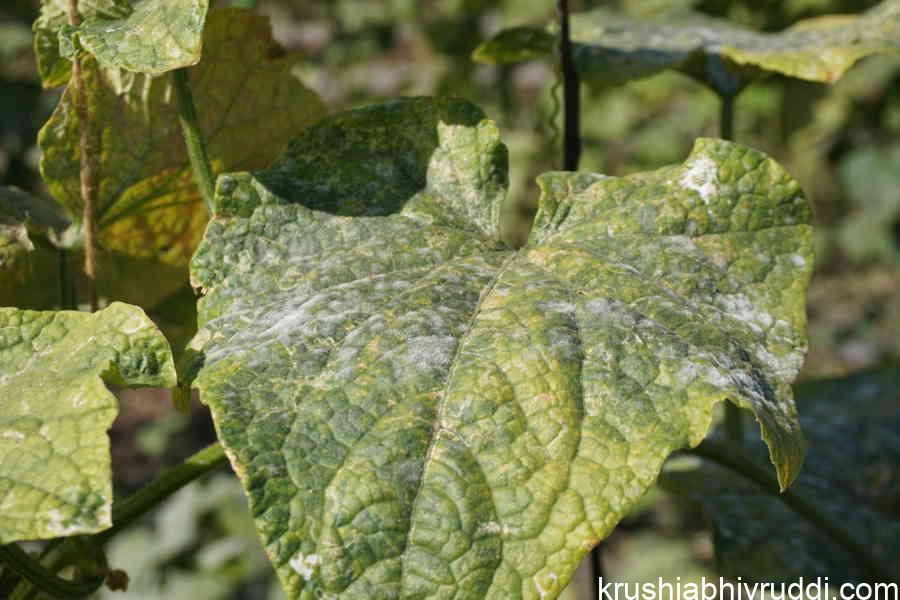
This disease becomes severe when humidity is high and leaves stay wet. Cloudy weather helps spores germinate and infection spreads fast. You may notice yellow oil spots on leaves and white fungal growth under the leaves.
Powdery mildew
Though powdery mildew does not need free water like downy mildew, it spreads rapidly when the climate is cool, humid, and sunlight is low. It attacks flowers, young berries, and leaves.
Botrytis (grey mould)
Cloudy weather during flowering and bunch development is highly favorable for botrytis. It causes flower rot, berry rot, and poor bunch quality, especially in compact bunch varieties.
Anthracnose and other rots
In prolonged cloudy weather, minor fungal issues become major outbreaks because infection cycles repeat quickly.
Why Pests Become More Active in Cloudy Climate:
Not only diseases, even many pests perform better under cloudy conditions.
Thrips
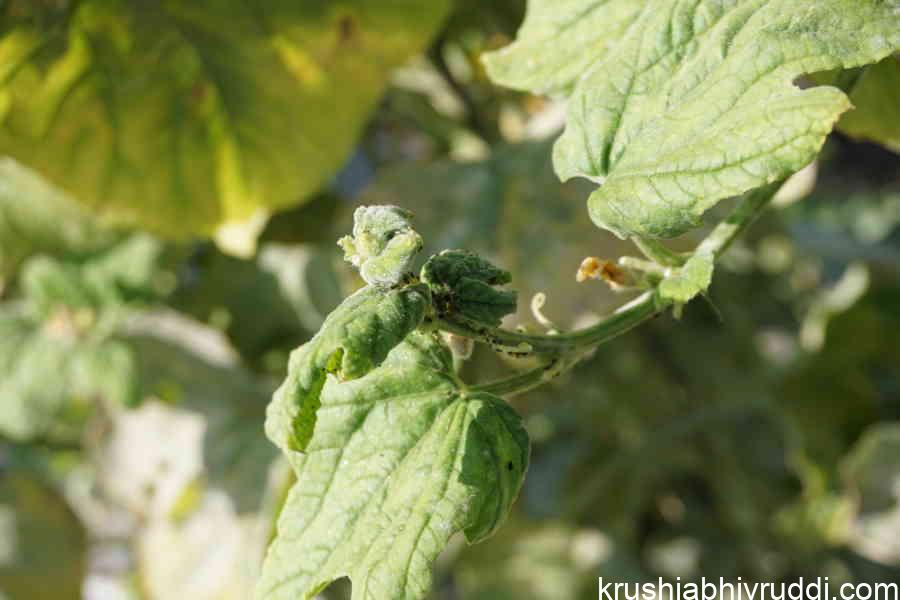
Thrips can multiply faster and damage flowers and tender tissues, leading to flower drop and poor fruit set.
Mealybugs
Cloudy and mild weather supports mealybug movement and population build-up. Their honeydew also encourages fungal growth (sooty mould).
Mites and leafhoppers (in some regions)
In cooler conditions, they may spread steadily, especially if the vine is stressed.
Why pests like this climate:
- Less heat stress, so survival rate increases
- Tender plant growth stays soft for longer
- Natural enemies (predators) may reduce activity in low sunlight
- Humidity supports egg hatching and pest movement
Why Flowering Season is the Most Risky Period:
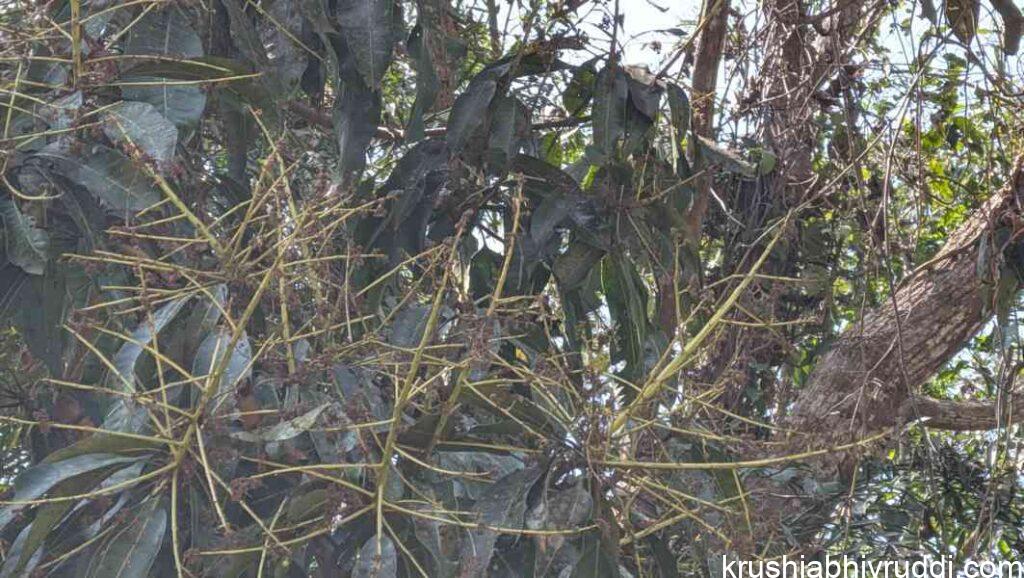
During flowering, grapes produce delicate tissues:
- flower clusters
- small stems
- newly set berries
These tissues have very thin protective layers, so infection enters easily. Even a small disease attack at this stage can cause:
- poor pollination
- flower drop
- shot berries / uneven berry size
- weak bunch formation
That is why horticulture farmers take cloudy weather as a warning and spray preventively before symptoms appear.
Preventive Measures to Follow Immediately:
Here are the best preventive actions that reduce both pest and disease risk:
1) Preventive fungicide spray (don’t wait for symptoms)
At the first sign of 1–2 days of cloudy weather, plan a fungicide spray. In grapes, prevention works far better than cure because once infection enters, it spreads quickly.
A common strategy:
- Protectant fungicide for surface protection
- Systemic/locally systemic fungicide for internal protection (rotate chemicals)
(Your choice depends on downy/powdery risk in your region.)
2) Canopy management for quick drying
Cloudy weather = slow drying. So farmers must help the canopy dry faster:
- remove excess shoots
- avoid very dense foliage
- ensure air movement between rows
A well-aerated canopy reduces leaf wetness duration and blocks disease spread.
3) Stop unnecessary irrigation before cloudy spells
Excess irrigation keeps the soil and canopy humid. Before or during cloudy days:
- reduce irrigation
- avoid overhead irrigation
- prefer drip irrigation with controlled timing
4) Remove infected plant parts immediately
If you notice:
- diseased leaves
- infected clusters
- rotting berries
remove them from the field and destroy safely. This reduces spore load.
5) Use balanced nutrition (avoid excess nitrogen)
Excess nitrogen creates very soft, lush growth which is more prone to fungal infection and pest attack. During cloudy periods, focus on:
- adequate potassium for strength
- calcium for tissue firmness
- micronutrients for stress resistance
6) Regular scouting & quick action
During cloudy weather, scout every 2–3 days. Look at:
- lower leaves for downy symptoms
- flower clusters for mildew
- pest colonies under leaves
Early detection saves huge loss.
Conclusion
Cloudy weather is not just “bad climate”—for fruit crops and vegetable crops farmers, it is an early warning that pests and diseases may attack quickly. High humidity, low sunlight, and long leaf wetness create a perfect environment for fungal diseases like downy mildew, powdery mildew, and botrytis, while also helping pests like thrips and mealybugs become more active.
The smartest approach is prevention, not cure: timely spraying, good canopy ventilation, controlled irrigation, and balanced nutrition. If farmers treat cloudy weather as a signal and act early, grape flowering and fruit set can be protected and yield quality remains high.


