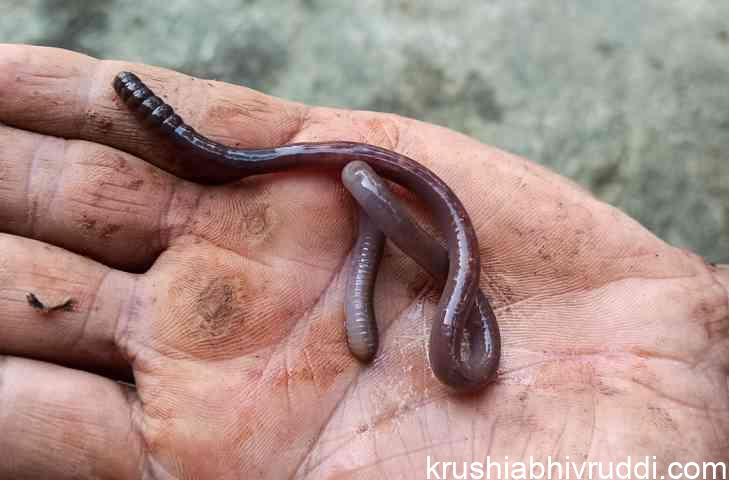
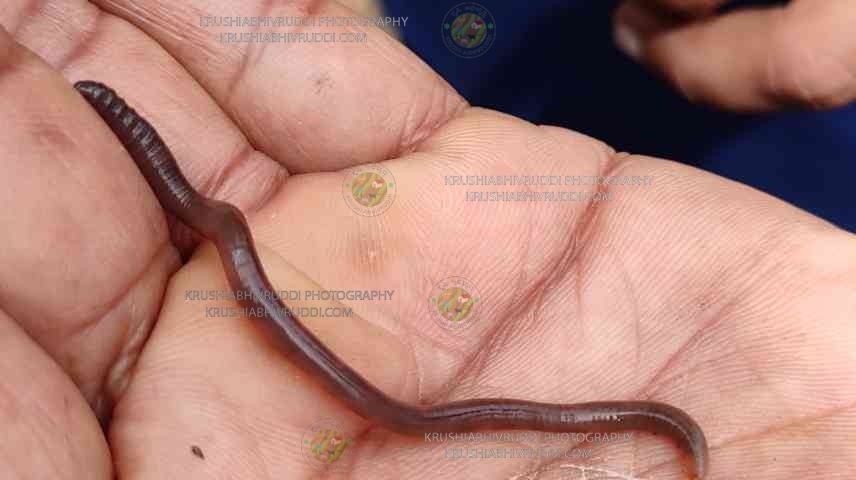
Earthworms, often called the “farmer’s friends,” play a vital role in soil health and sustainable agriculture. Though small in size, their impact on soil fertility, plant growth, and environmental balance is immense. Understanding their role, types, and benefits can help farmers and gardeners harness their power for long-term soil enrichment.
What Are Earthworms?
Earth worms are soft-bodied, segmented invertebrates that live in soil and feed on organic matter. They continuously burrow, creating tunnels that improve soil aeration and water infiltration. Their digestive process converts organic residues into nutrient-rich castings, also known as vermicompost.
Role of Earthworms in Soil Amendment
Earth worms naturally amend soil through their activities. As they eat plant residues and decaying matter, they break it down into smaller particles, making nutrients more available to plants. Their burrowing loosens compacted soil, enhances root penetration, and boosts microbial activity. This natural soil amendment process improves fertility, structure, and water-holding capacity without synthetic inputs.
Types of Earthworms
Earth worms are classified into three main ecological groups based on their feeding and burrowing habits:
- Epigeic Earth worms – These are surface dwellers, feeding mainly on organic litter. They play a crucial role in composting and humus formation. Example: Eisenia fetida (commonly known as red wigglers).
- Endogeic Earthworms – These live within the soil, feeding on soil organic matter and contributing to soil mixing and nutrient cycling.
- Anecic Earthworms – These make deep vertical burrows and pull organic material from the surface into the soil, enriching deeper layers. Example: Lumbricus terrestris.
Humus Former vs. Humus Feeder Earthworms
- Humus Formers: These are surface-dwelling worms like Eisenia fetida that actively decompose organic matter to form humus. They are widely used in vermicomposting units.
- Humus Feeders: These live within the soil and consume soil mixed with organic matter. They indirectly enrich soil by recycling nutrients but are less effective in compost production compared to humus formers.
Which Earthworm Is Best for Soil Enrichment?
For enriching soil and producing quality vermicompost, epigeic worms such as Eisenia fetida and Eudrilus eugeniae are the most effective. They rapidly decompose organic matter and generate nutrient-rich castings that improve crop yield. Anecic worms, on the other hand, are crucial for long-term soil health, as their deep burrows enhance aeration and drainage.
Nutrient-Rich Excreta of Earthworms
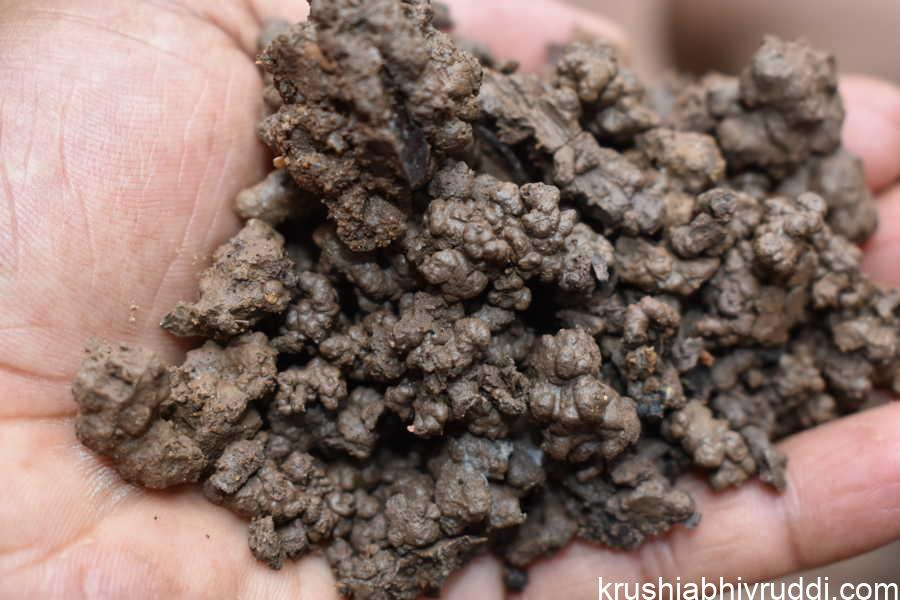
Earth worm excreta, or castings, are packed with plant-available nutrients such as nitrogen (N), phosphorus (P), potassium (K), calcium (Ca), and magnesium (Mg). Vermicast also contains beneficial microbes and enzymes that improve plant growth and disease resistance. Compared to regular compost, earthworm castings are richer in humic substances, which enhance soil fertility and plant nutrient uptake.
Cultivating Earthworms vs. Natural Multiplication
Farmers often wonder whether to cultivate earth worms artificially or create conditions for natural multiplication. Both methods have advantages:
- Vermiculture (cultivating earth worms): Involves rearing worms in controlled units with organic waste. It produces large quantities of high-quality vermicompost in a short period. Ideal for commercial farming.
- Encouraging natural multiplication: By adding organic matter, reducing chemical inputs, and maintaining moisture, farmers can create a habitat where local earth worms thrive naturally. This method is more eco-friendly and cost-effective for long-term soil enrichment.
Is It Worth Cultivating Earthworms?
Yes, cultivating earth worms or encouraging their natural growth is highly worthwhile. They reduce dependency on chemical fertilizers, improve soil structure, and enhance sustainable crop production. Vermicomposting also provides an additional income source for farmers while managing organic farm waste effectively.
Conclusion
Earth worms are the hidden architects of fertile soil. Their ability to form humus, recycle nutrients, and improve soil structure makes them indispensable to sustainable agriculture. Whether through vermiculture or by fostering a natural environment for their multiplication, farmers can significantly boost soil health and crop productivity. Truly, earth worms are the backbone of organic and eco-friendly farming.