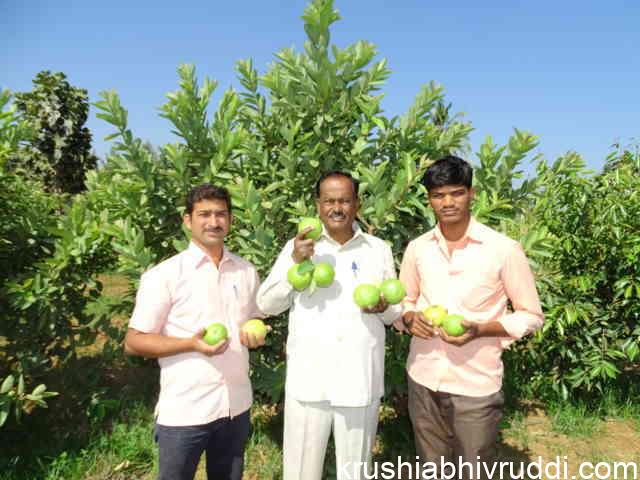
Farming is not just an occupation—it is the foundation of our nation’s survival. Farmers feed the country, yet when it comes to their own health, they often stand neglected. Unlike government employees who receive medical facilities and health insurance, or even agricultural labourers who get basic support, the land-owning farmer often lacks any formal health protection. The irony is that the person who provides food security to millions has no health security of his own.
However, all is not lost. By adopting a few simple health practices and lifestyle habits, farmers can safeguard their health naturally—without depending on costly medical schemes or hospital treatments.
In Olden Days: Farming and Long Life
In the past, our villages were symbols of health and longevity. Farmers worked hard but lived long—often up to 80 or 90 years. They ate natural, home-grown food, breathed pure air, drank clean water, and led stress-free lives. They walked long distances, worked under the sun, and followed simple daily routines that supported physical and mental balance. Diseases like diabetes, hypertension, and heart problems were rare.
Today, however, things have changed. Modern lifestyle habits, pollution, chemical exposure, and irregular food practices are silently harming the health of our farming community. The average life span of farmers has fallen to around 60–65 years. This decline needs attention—not through expensive medical interventions but through awareness and lifestyle correction.
Eat Farm-Fresh and Local Food
The first step to health starts from the kitchen. Farmers are blessed with direct access to nutritious food—they grow vegetables, grains, pulses, fruits, and milk. Instead of consuming packed, processed, or restaurant foods, farmers should eat their own farm-fresh produce.
Include a mix of:
- Millets and pulses – for energy and protein
- Green leafy vegetables – for vitamins and minerals
- Seasonal fruits – to boost immunity
- Curd, buttermilk, and milk – for calcium and gut health
Avoid excess use of polished rice, refined sugar, and junk foods. A natural diet keeps digestion smooth, strengthens immunity, and maintains body weight.
Breathe Fresh and Work in Open Air
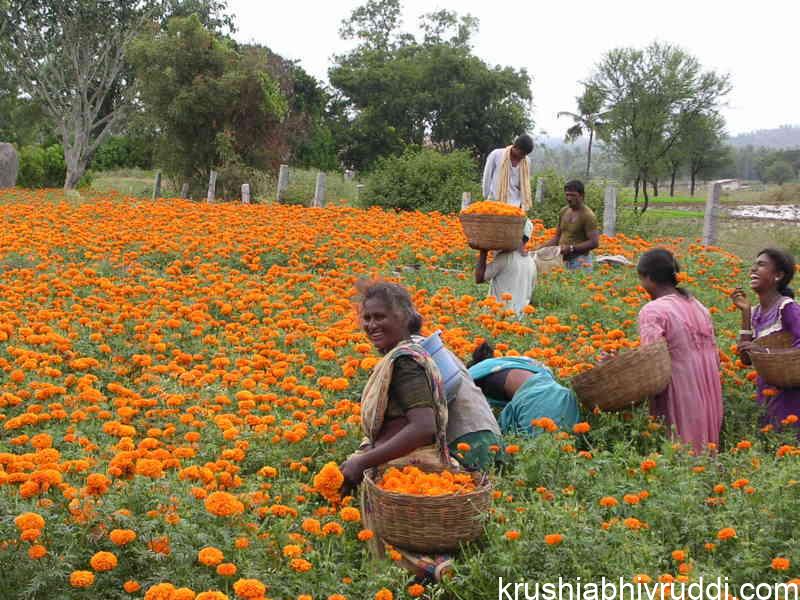
Farmers have a big advantage—they work in open fields, close to nature. Breathing clean air and sunlight exposure help in natural detoxification and Vitamin D production. Morning fieldwork provides excellent physical exercise and mental calmness. Farmers should make it a routine to start work early in the morning and avoid long hours in midday heat.
Avoid Overuse of Chemicals and Pesticides
Health risks in farming today come mostly from frequent exposure to chemical fertilizers and pesticides. These affect skin, lungs, nerves, and internal organs. Farmers should always wear protective gear like gloves, masks, and long-sleeved clothes during spraying. Use biofertilizers, organic manures, and neem-based sprays whenever possible. Reducing chemical exposure is the best preventive healthcare.
Maintain Regular Physical and Mental Balance
Though farming is physically demanding, regular yoga, and deep breathing (pranayama) and chanting Vedic mantras which helps to breath in and out will prevent back pain and stress. Mental relaxation is equally important. Farmers should take short breaks, avoid over thinking about crop loss or market prices, and spend time with family. A positive mind keeps the body strong. Do not compare ourselves to others. Then you can lead satisfied life.
Drink Safe and Clean Water
Many health issues in rural areas arise from contaminated water. Farmers should ensure that their drinking water source—whether borewell or open well—is clean and tested. Using simple filtration or boiling methods can prevent diseases like typhoid, dysentery, and kidney infections. Bore well water contains some salts which harm the body.
Regular Health Check-Up
Just as soil testing is essential before applying fertilizer, the human body also needs regular health checks. Blood pressure, sugar, cholesterol, and eye checks once or twice a year help detect problems early. Local health camps and primary health centers can be utilized for this purpose.
Adequate Rest and Sleep
Continuous work without rest weakens the body. Farmers should ensure at least 6–8 hours of sound sleep daily. Midday rest after lunch helps regain energy, especially during peak agricultural seasons.
Avoid Tobacco, Alcohol, and Excess Tea
Habits like smoking, chewing tobacco, or frequent alcohol consumption are slow poisons. They harm lungs, liver, and heart and reduce stamina. Natural drinks like tender coconut water, buttermilk, or herbal tea are far better for maintaining energy.
Sunlight – The Natural Source of Vitamin D
Sunlight is not just for warmth; it’s a natural medicine provided by nature. When sunlight touches the skin, the body produces Vitamin D, which is essential for:
- Keeping bones and teeth strong
- Helping the body absorb calcium and phosphorus
- Boosting immunity and reducing tiredness
- Maintaining a healthy mood and mental balance
Lack of sunlight can lead to Vitamin D deficiency, causing joint pain, weakness, and even depression.
Best Time for Sunlight Exposure
The ideal time to get sunlight is early in the morning, between 6:30 AM and 9:00 AM.
- During this time, sunlight is gentle and rich in UVB rays that help produce Vitamin D.
- Standing or working in sunlight for 20–30 minutes daily (without sunscreen) is enough.
- After 9:30 AM, sunlight becomes too harsh, which may cause dehydration or skin irritation, especially in summer.
How to Get Maximum Benefit
- Expose larger parts of the body like hands, arms, and legs to sunlight.
- Avoid covering completely with thick clothing during morning hours.
- Prefer open-air activities such as walking, stretching, or light fieldwork in the early hours.
- Drink enough water to stay hydrated.
Why It Helps Farmers
Farmers are naturally in touch with sunlight, but many now work indoors (e.g., machine sheds or storage areas) or wear full protective clothing all the time. Morning sunlight exposure ensures they continue receiving this natural vitamin, improving bone strength, energy, and disease resistance.
Health Is the Farmer’s Real Wealth
Farmers may not have government-provided health benefits, but they have the greatest gift—access to natural food, clean surroundings, and active lifestyles. By following simple, traditional health habits, they can live longer, healthier lives and continue to feed the nation with strength and pride.
A healthy farmer is not only a happy individual but also the backbone of a healthy nation.