


The natural way of maintaining neutral soil health is always beneficial. Applying lime, unbalanced fertilizers, or manures without knowing the actual soil condition leads to a loss of farmers’ hard-earned income. Nowadays, especially arecanut farmers are becoming more serious about nutrient management. However, many simply follow others without understanding soil health, plant physiology, or the role of nutrients—giving room for product suppliers to exploit this lack of proper knowledge.
Farmers often focus on fertilizer use, but the true base of productivity lies beneath our feet — the soil’s health and reaction (pH). Ideally, a slightly acidic to neutral pH (6.0–6.5) is best for most crops. At this range, almost all essential nutrients are easily available to plants, and beneficial microbes stay active. But how can we keep soil in this condition without frequently applying lime? Let’s understand the natural ways.
Understanding Soil pH
Soil pH tells us whether the soil is acidic, neutral, or alkaline.
- Below 6.0 – Acidic
- 6.0–7.0 – Neutral or slightly acidic (ideal range)
- Above 7.0 – Alkaline
When the soil is too acidic, most beneficial microbes become inactive, and harmful microbes start dominating. In waterlogged acidic soil, root systems cannot breathe properly, resulting in weak growth and poor yields.
Organic Matter – The Natural Buffer
The best way to maintain neutral soil is through the regular addition of bulk organic matter. Organic matter acts as a natural pH stabilizer and nutrient reservoir.
Some excellent organic sources are:
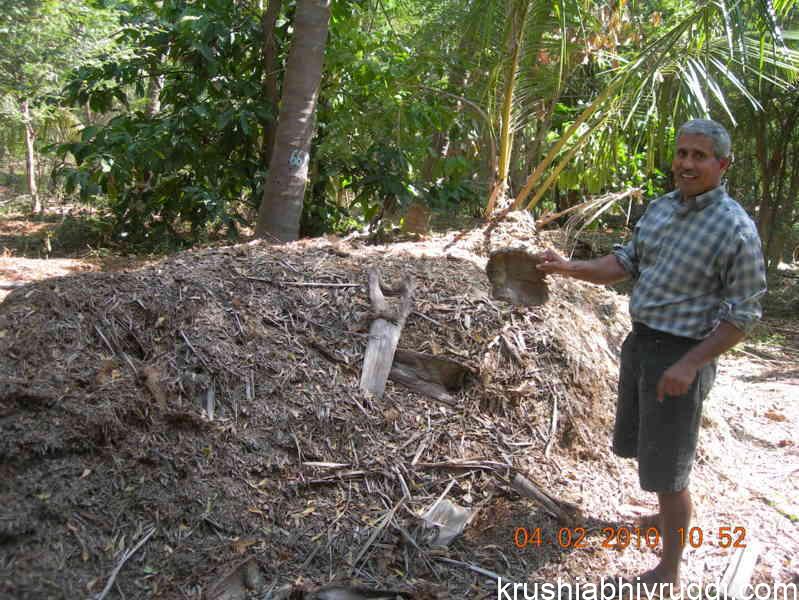
- Well-decomposed farmyard manure (FYM)
- Compost made from crop residues and green waste
- Green manuring crops like sunhemp, dhaincha, or cowpea
- Vermicompost and leaf litter
These materials contain natural carbon compounds and weak organic acids. When decomposed, they release balanced nutrients and form humus, which neutralizes soil acidity or alkalinity slowly and safely.
Regular application — at least 5–10 tons of organic matter per acre per year — keeps soil loose, improves aeration, and supports the life of beneficial microbes.
Earthworms and Microbes – The True Indicators of Healthy Soil
A simple sign that your soil pH and structure are healthy is the presence of visible life:
- Earthworms,
- Termites,
- Beetle larvae,
- And small decomposer insects.
These living organisms thrive only when the soil is near neutral and well-aerated. If you can spot earthworms while digging, it means your soil has good organic content and balanced pH. On the other hand, when soil remains waterlogged or becomes hard and lifeless, you will find no such activity — a clear signal that pH and oxygen levels have gone down.
Importance of Drainage
Even the best soil turns acidic if it stays waterlogged for too long. When air cannot enter the soil pores, oxygen deficiency occurs. This encourages anaerobic bacteria, which produce organic acids and harmful gases like hydrogen sulfide. Such conditions kill beneficial microbes.
To prevent this:
- Make sure your fields have proper drainage channels.
- Avoid standing water for more than 2–3 days after heavy rain or irrigation.
- Grow crops on slightly raised beds in low-lying areas.
A well-drained but moist soil keeps the root zone aerated and microbially active — which naturally maintains a balanced pH.
What Happens When You Apply Lime
When soil becomes too acidic, many farmers apply agricultural lime (calcium carbonate) to raise the pH. Lime reacts with the acidic components and converts them into neutral salts.
If you apply 1 kg of lime per square meter, it can neutralize approximately 2 to 3 inches of the topsoil (depending on soil type, organic matter, and moisture). However, lime moves very slowly down the soil profile, so deep layers often remain unchanged unless well mixed.
Excess Lime – Hidden Problems
Applying too much lime can harm the soil in several ways:
- Micronutrient deficiency – Zinc, iron, and manganese become unavailable.
- Reduced organic activity – Beneficial microbes that prefer slight acidity become inactive.
- Soil hardening – Continuous liming without organic addition can reduce soil structure and porosity.
Therefore, lime should be used only after testing soil pH, and in combination with organic matter, not as a replacement for it.
Key Takeaways for Farmers
- Maintain soil pH through organic matter recycling – compost, FYM, and green manures.
- Encourage microbial and earthworm activity as a natural pH indicator.
- Ensure good drainage and avoid waterlogging.
- Apply lime only when required, and never in excess.
- Combine liming with organic manures for balanced and sustainable results.
By following these natural and balanced practices, you can keep your soil in the ideal pH range of 6.0–6.5, ensuring healthy root systems, active microbes, and higher crop productivity — without depending on chemical lime correction every season

