


Nitro phosphate fertilizers, often called NP fertilizers, are a unique class of plant nutrients that supply both Nitrogen (N) and Phosphorus (P) in readily available forms. These two major nutrients are essential for healthy plant growth, root development, flowering, and yield improvement. Unlike single-nutrient fertilizers, nitro phosphate ensures balanced and continuous nutrient supply to crops.
What is Nitro Phosphate Fertilizer?
Nitro phosphate fertilizer is a chemically granulated product that contains both nitrogen and phosphorus in water-soluble and citrate-soluble forms.
- Nitrogen in this fertilizer is usually present as ammoniacal nitrogen, which is less prone to leaching than nitrate nitrogen.
- Phosphorus is present in an easily available form, ensuring steady uptake by plant roots.
Some formulations also include secondary nutrients like calcium, magnesium, and sulfur, along with micronutrients for complete plant nutrition.
Benefits of Nitro Phosphate Fertilizers
- Balanced Nutrient Supply – Provides both nitrogen and phosphorus in a single application, reducing the need for multiple fertilizers.
- Slow and Steady Nutrient Release – Ammoniacal nitrogen is released gradually, reducing leaching losses and ensuring long-lasting effect.
- High Nutrient Use Efficiency – Water-soluble phosphorus ensures quick uptake, while citrate-soluble phosphorus provides a sustained supply.
- Improved Root Growth – Phosphorus promotes strong root development, which is critical for nutrient absorption and drought resistance.
- Better Yield and Quality – Balanced nutrition improves flowering, fruit set, and overall crop productivity.
- Suitable for All Soils – Especially beneficial in phosphorus-deficient soils and areas with high rainfall where nutrient loss is common.

How to Apply Nitro Phosphate Fertilizers
The application method depends on the crop type, soil condition, and irrigation system. Common application methods include:
- Open Broadcasting – Spread uniformly over the soil before or during sowing and incorporate lightly into the topsoil for better efficiency.
- Basal Placement Inside Soil – Apply near the root zone at sowing or transplanting time to minimize nutrient loss and maximize availability.
- Fertigation (Through Drip Irrigation) – Some nitro phosphate formulations are water-soluble and can be applied through drip systems for precise nutrient delivery.
Tip: Avoid surface application during heavy rains to prevent nutrient runoff.
Popular Brand Combinations of Nitro Phosphate Fertilizers
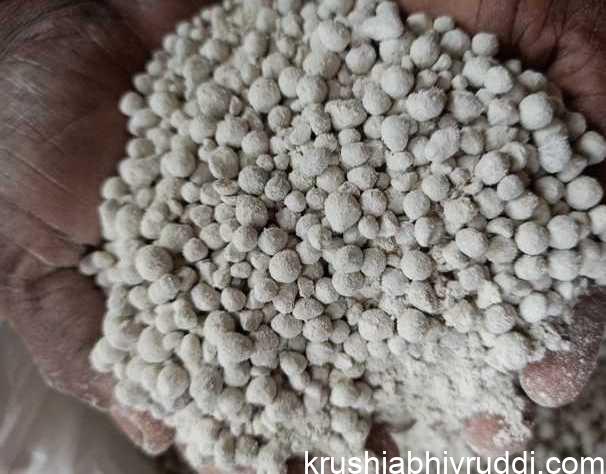
Different companies offer various combinations to suit crop requirements:
- 20:20:0 – Equal ratio of nitrogen and phosphorus, ideal for initial crop stages.
- 15:15:15 – Balanced NPK form with added potassium.
- 16:20:0 – Higher phosphorus content for root and early plant growth.
- 20:10:10 – Balanced nutrition for vegetative and reproductive growth stages.
Some notable brands in the Indian market include Paradeep Phosphates’ Navratna NP, FACT NP, Rashtriya Chemicals & Fertilizers NP, and others.
Why Nitro Phosphate is Beneficial in Heavy Rainfall Areas
In high rainfall zones, nutrient leaching and runoff are major challenges for farmers. Nitro phosphate fertilizers are particularly useful in such conditions because:
- Ammoniacal nitrogen is less prone to leaching compared to nitrate nitrogen.
- The phosphorus component, being partially water-soluble and citrate-soluble, is less likely to get washed away.
- The gradual nutrient release ensures sustained feeding even after heavy rains.
This makes nitro phosphate an excellent choice for crops grown in monsoon-fed regions, hilly areas, and other high rainfall zones.
Absorption Pattern of Nitro Phosphate Fertilizers
The nutrient absorption process from nitro phosphate is steady and sustained:
- Early Stage – Water-soluble phosphorus is quickly absorbed by roots for rapid establishment.
- Mid Stage – Ammoniacal nitrogen begins to release steadily, supporting vegetative growth.
- Later Stage – Citrate-soluble phosphorus continues to feed roots, aiding flowering and fruiting.
This staggered nutrient availability ensures crops receive a balanced supply of N and P throughout their growth cycle, reducing the need for frequent re-application.
Conclusion
Nitro phosphate fertilizers are a smart solution for farmers looking for a balanced, long-lasting, and efficient nutrient source. Their ability to supply nitrogen and phosphorus in a single application saves labor, reduces costs, and minimizes nutrient losses—especially in heavy rainfall areas. Whether applied through soil placement, broadcasting, or drip irrigation, nitro phosphate helps in achieving healthy crops, better yields, and improved soil fertility in the long term.


