


Potassium (K) is one of the three primary macronutrients required for healthy plant growth, along with Nitrogen (N) and Phosphorus (P). It plays a crucial role in improving plant health, yield, and resistance to stress. For perennial horticultural crops like Coconut, Arecanut, Black Pepper, and Fruit crops, potassium is not just a nutrient—it is a performance booster that enhances quality, longevity, and productivity.
Why Potassium is Important in Horticultural Crops
Potassium does not form part of plant tissues like nitrogen or phosphorus, but it activates over 60 enzymes that are vital for various plant processes. Its main roles include:
- Regulation of water balance (osmosis)
- Enhancing photosynthesis efficiency
- Transport of nutrients and sugars
- Improvement in flowering, fruit set, and quality
- Resistance against pests and diseases
- Stress tolerance (drought, cold, salinity)
Role of K. in Coconut
Coconut palms are long-lived and heavy nutrient-feeding plants. Potassium is particularly essential in:
- Nut Development: Potassium improves kernel (copra) content, water content in tender coconut, and overall fruit weight.
- Improved Oil Quality: More potassium means higher oil content and better oil extraction from copra.
- Frond Health: It maintains leaf size, color, and photosynthetic activity.
- Drought Resistance: Potassium helps in stomatal regulation, reducing water loss during dry spells.
Deficiency Symptoms: Yellowing and necrosis in older leaves, reduced nut size, poor kernel development, and premature nut fall.
Role of Potassium in Arecanut
Arecanut palms also demand a steady supply of K throughout the year:
- Better Nut Formation: Enhances the size and weight of areca nuts.
- Higher Yield: Promotes more inflorescence and reduces flower drop.
- Disease Resistance: Strengthens plant tissues to resist diseases like yellow leaf disease and fruit rot.
- Water Use Efficiency: Helps arecanut cope with moisture stress.
Deficiency Symptoms: Marginal leaf scorching, drooping of fronds, and low nut recovery rate.
Role of Potassium in Black Pepper
Although black pepper is a climber, it’s a heavy feeder and particularly responds well to potassium:
- Stimulates Spike Development: K. promotes flowering and improves spike length and density.
- Enhances Pungency & Quality: More K. increases piperine content and seed weight.
- Improves Root Health: It aids in nutrient and water uptake.
- Increases Disease Resistance: Tolerates quick wilt and root rot better when K. levels are optimum.
Deficiency Symptoms: Poor spike setting, yellowing of leaves, smaller berries, and increased disease incidence.
Role of K. in Fruit Crops (Banana, Mango, Papaya, Citrus, etc.)
In fruit crops, potassium is a “fruit quality nutrient”:
- Better Fruit Size and Taste: K. increases sugar and acid balance, improving flavor.
- Color and Shelf Life: Enhances fruit pigmentation and keeps fruits firm during storage.
- Uniform Ripening: Ensures even and natural ripening process.
- Stress Resistance: Better resistance to high temperature, wind, and water stress.
Deficiency Symptoms: Scorched leaf tips, uneven ripening, low brix (sugar content), and poor fruit texture.
Application Methods and Dosage
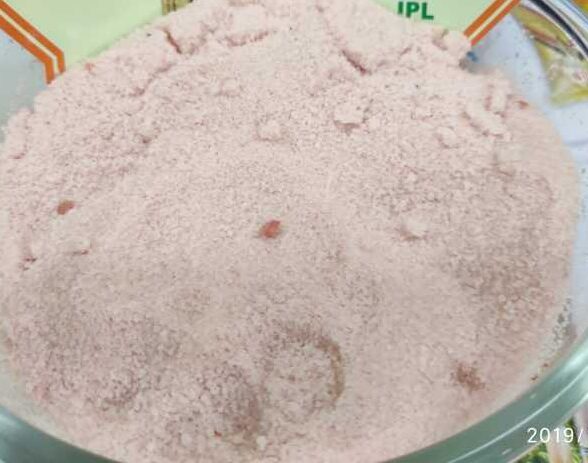
- Soil Application: Muriate of Potash (MOP) is commonly used, applied in 2-3 split doses annually.
- Fertigation: In drip-irrigated systems, potassium nitrate or sulfate can be used effectively.
- Foliar Spray: During critical stages like flowering or fruit development.
✅ Always apply based on soil test reports. Excess K. can hinder uptake of magnesium and calcium.
Integrated Approach
For long-term health and productivity, Potash should be part of an Integrated Nutrient Management (INM) plan:
- Combine with organic manures, biofertilizers (like potash-mobilizing bacteria), and mulching to retain soil moisture and K. availability.
- Potassium works synergistically with nitrogen and phosphorus, so all three must be balanced.
- In high-rainfall areas or sandy soils, potash leaching is a concern—split applications help.
Conclution:
Potassium is not just a nutrient; it’s a silent powerhouse in the background that keeps your horticultural crops healthy, productive, and profitable. Whether it’s the number of coconuts per palm, nut size in arecanut, spike yield in pepper, or sweetness of fruit, potassium is the key Farmers are advised to test soil regularly, monitor crop symptoms, and adopt scientific application practices to harness the full potential of this essential nutrient.


