


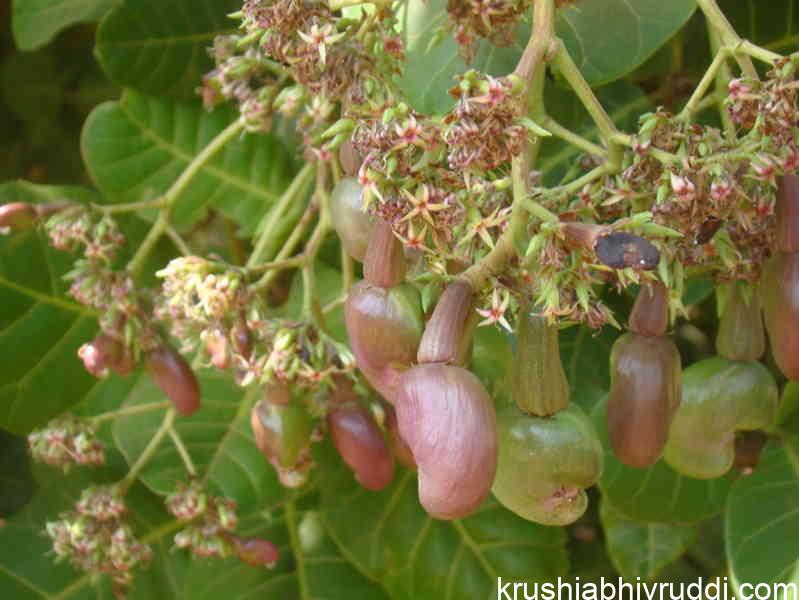
If you observe mango and cashew trees along highways and dusty roadside areas, one interesting thing often stands out: many of these trees show good flowering and sometimes surprisingly better flower setting compared to trees inside clean orchards. This makes many farmers believe that dust, smoke, and mud particles deposited on flowers may act like a natural “cover” and protect flowers from pests and diseases.
But is this really true? Can dust improve flower setting? And is there any scientific research behind it? Let’s explore the reality in a practical way.
What Happens When Dust Deposits on Flowers and Leaves?
Roadside dust is a mix of soil particles, clay, carbon/smoke, vehicle emissions, and other fine particulate matter. When these particles settle on plant surfaces, they form a thin layer on:
- flower buds and panicles
- young leaves
- stigma and pollen surfaces
- tender fruitlets
This layer can cause both positive-looking effects and hidden negative effects, depending on the amount and type of dust.
Why Farmers Feel Dust Helps Flower Setting:
Farmers often notice that when flowers are dusty:
✅ Insects may reduce movement on the panicles
Some soft-bodied pests like thrips and hoppers prefer clean, tender surfaces. Dust can act like a mild physical barrier and may disturb their feeding comfort. Studies on plant–insect interactions show that physical barriers can reduce herbivore performance in general (for example, tougher surfaces reduce feeding success).
✅ Dust may reduce “wetness” on flower surface in some cases
In normal orchards, dew or light mist stays longer on the panicle surface. A thin dusty layer can sometimes reduce the sticky wet film, which farmers feel reduces fungal spread.
✅ Dust may confuse insect landing and egg laying
When flowers have foreign particles, insects may find it harder to identify the best feeding spots, so pest attack may look lower.
These observations are possible, especially when dust is light and dry. But that is only one part of the story.
What Research Says: Dust Is Often Harmful to Pollination:
Scientific studies on dust and particulate matter deposition generally show that dust is more likely to reduce pollination efficiency rather than improve it.
A study on mango and litchi around dusty urban conditions reported relationships involving dust, pollinator activity, and fruit falling—highlighting that dust affects reproductive success through pollinators.
Also, a review on plant–pollutant interactions mentions that a dust film can reduce effective pollination.
Why? Because successful fruit set depends on:
- pollen transfer by insects (bees, flies, etc.)
- pollen sticking and germinating on stigma
- healthy flower tissues
When dust covers flowers heavily, it can:
- block pollen contact with stigma
- reduce pollen germination
- reduce insect visitation (flowers become unattractive or smell changes)
So, heavy dust is not a “natural pesticide”. It can actually reduce fruit set.
Does Dust Protect Against Pests and Diseases?
Dust can sometimes show short-term reduction in pest attack, but it is not a reliable method.
In fact, research reviews on dust effects on vegetation show that dust exposure can lead to secondary problems like increased aphid pests and fungal infections, depending on dust type (example: industrial dust).
Also, dust affects plant health by:
- blocking stomata
- reducing photosynthesis
- weakening plant energy supply
This indirectly reduces the tree’s ability to hold flowers and fruits.
So while dust may disturb a few insects temporarily, long-term dust stress can weaken the tree and increase drop.
Then Why Do Roadside Trees Sometimes Set Fruit Better?
This is the most important point.
Many times, roadside trees perform well not because of dust, but because of other hidden advantages:
✅ More sunlight exposure
Roadside trees have open space, less shading, and better sun. Mango and cashew need sunlight for strong flowering and fruit retention.
✅ Less humidity around canopy
Open windy areas reduce moisture staying on flowers, lowering fungal disease pressure.
✅ Better air movement = better pollination
Wind and insect movement are higher in open roadside areas.
✅ Less dense canopy and less nitrogen
Orchard trees often get heavy nitrogen which increases leaf growth and reduces fruit set. Roadside trees grow slowly, often balanced naturally.
So the “dust advantage” may actually be an open-canopy microclimate advantage.
Can We Use “Artificial Dusting” for Flower Protection?
Not recommended.
Dust can carry:
- fungal spores
- pollutants and toxic metals
- harmful particles that burn flowers
Instead, agriculture uses safer “protective coating” concepts like film-forming leaf coatings that can reduce pathogen attachment under controlled use—not random dust.
Practical Conclusion for Farmers
✅ Light dust may sometimes reduce insect comfort, but it is not a proven flower-setting booster.
✅ Research suggests dust often reduces pollination efficiency and can stress the plant, especially when heavy.
✅ Roadside trees may set well mainly due to sunlight, wind, and low humidity, not dust alone.
Best real protection for flower setting is still:
- timely fungicide + insecticide sprays
- balanced irrigation (no stress)
- boron + calcium support
- good sunlight and canopy ventilation


