


SunLight is one of the most essential factors for plant growth. It is the primary source of energy for photosynthesis — the process by which plants produce food. Apart from growth, light affects many vital aspects of plant development including health, resistance to diseases, pest infestation, and overall yield. In contrast, lack of light, especially during continuous rains, can lead to multiple agricultural problems.
Role of Light in Plant Health
Light intensity, quality, and duration directly affect plant metabolism and vitality. Healthy plants require a balanced amount of sunlight for:
- Photosynthesis: Produces carbohydrates and energy needed for growth.
- Chlorophyll production: Gives green color and ensures healthy leaf development.
- Stem strength and leaf size: Well-lit plants grow stronger stems and larger leaves.
Insufficient light weakens plants, making them more prone to infections and poor development.
Light and Disease Resistance
A well-lit plant develops better immunity against diseases. Here’s how:
- Stronger cell walls: Light promotes sugar production, which is used to build strong cell walls, preventing pathogen entry.
- Improved ventilation: In good sunlight, plants grow upright and spaced, allowing airflow that dries moisture on leaves and reduces fungal attack.
- Balanced hormone levels: Light influences hormones like salicylic acid and jasmonic acid, which are responsible for disease resistance.
Lack of light causes soft, tender tissues which are more vulnerable to fungal and bacterial infections.
Light’s Effect on Pest Problems
Light also affects pest incidence in the following ways:
- Pest attraction: Some insects are light-sensitive and may be more active in shade or cloudy conditions.
- Weak plant defense: Low light causes slower growth and weak immune response, making it easier for pests like aphids, mealy bugs, and mites to attack.
- Poor drying of leaves: In continuous rains with low light, wet leaves become a breeding ground for sucking pests and mites.
Light and Crop Yield
In Sufficient sunlight only higher yield is possible
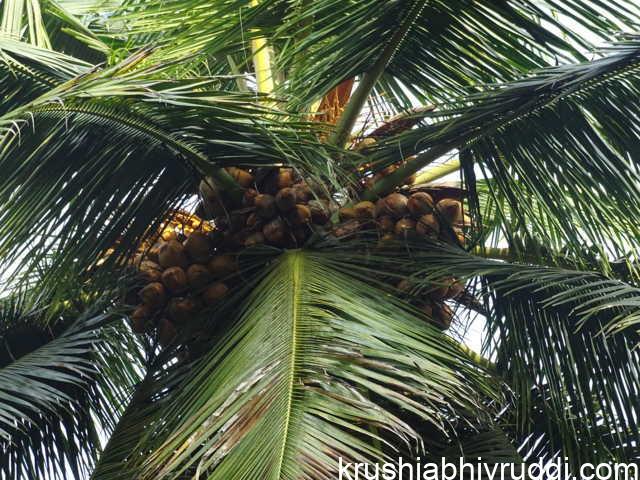
Sunlight is directly proportional to plant productivity:
- High yield: Good light means more photosynthesis, more food production, and better fruit or seed development.
- Better flowering and fruiting: Many crops need long or short-day conditions to flower. Any disturbance due to continuous rain may hamper flowering.
- Improved grain filling or fruit size: Light ensures proper maturity and weight of the final produce.
Crops grown under poor light usually show reduced yields, poor grain quality, and uneven ripening.
Problems Faced During Continuous Rainfall
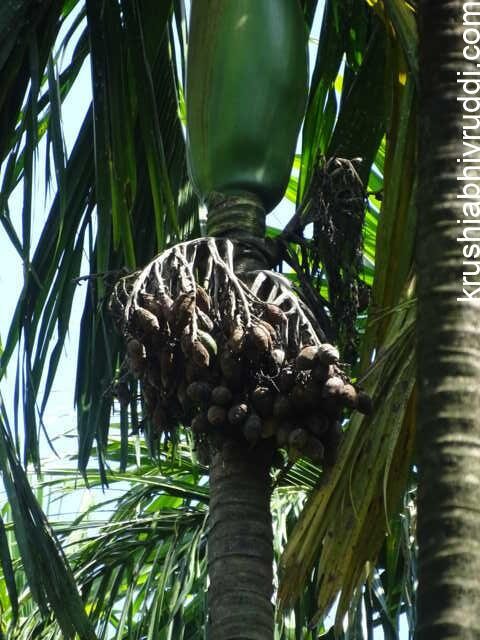
Continuous rain, especially during the monsoon or cyclonic periods, brings several challenges due to reduced sunlight:
a) Light Deficiency
- Cloudy skies for days or weeks drastically reduce sunlight exposure.
- Leads to leggy (thin, weak) plant growth.
b) Disease Outbreak
- Fungal diseases like downy mildew, leaf spot, and blights spread due to persistent moisture and lack of sunlight.
- Poor light delays leaf drying after rain, encouraging fungal spores.
c) Pest Infestation
- Moisture-loving pests like snails, aphids, whiteflies, and sucking insects become common.
- Plants fail to produce natural protective chemicals due to low photosynthesis.
d) Root Rot and Poor Aeration
- Wet soil conditions and no sunlight lead to poor aeration, suffocation of roots, and root rot diseases.
- Essential soil microbes get imbalanced.
e) Nutrient Uptake and Lodging
- Cloudy weather reduces transpiration, slowing down nutrient movement.
- Waterlogged soil also reduces nutrient availability.
- Weakened stems may fall (lodging), especially in cereals and vegetables.
Preventive Measures During Low Light and Continuous Rains
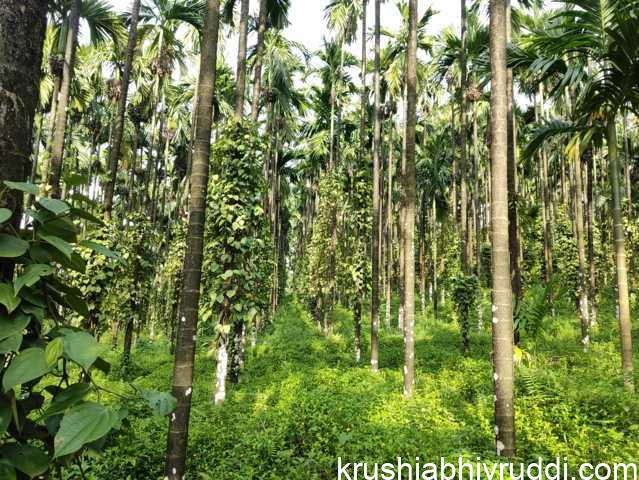
- Drainage: Ensure proper field drainage to avoid standing water.
- Pruning: Thin out dense crops to increase air and light penetration.
- Use of foliar sprays: Apply plant tonics and micronutrients (like zinc, boron) to boost strength.
- Disease-resistant varieties: Choose varieties that tolerate wet conditions.
- Controlled irrigation: Stop irrigation during rainy days to prevent root stress.
- Fungicide sprays: Use preventive sprays when rain is forecasted for more than 3–4 days.
Light is not just for plant growth — it’s a lifeline that affects every part of plant life, from leaf to root, seed to fruit. Continuous rains and cloudy weather may disrupt this natural energy source, leading to weakened plants, pest and disease problems, and lower yields. Hence, farmers should be proactive in protecting their crops during such periods by improving drainage, using protective sprays, and maintaining healthy soil conditions. Understanding the role of light helps in better planning and management of farm productivity.


